The importance of hope for activism

In diesem Beitrag äußern sich Studierende des Kurses Englisch C1.2 zu der Frage, inwiefern Hoffnung und die Bereitschaft zu Handeln zusammenhängen. Sie lasen vorab den Artikel aus dem Time Magazine „The Enduring Hope of Jane Goodall“ von Clara Nugent. Goodall ist 87 und seit ihrer Jugend Aktivistin. Der Beitrag entspricht dem angegebenen Sprachniveau und ist ein Originaltext aus dem Sprachkurs.
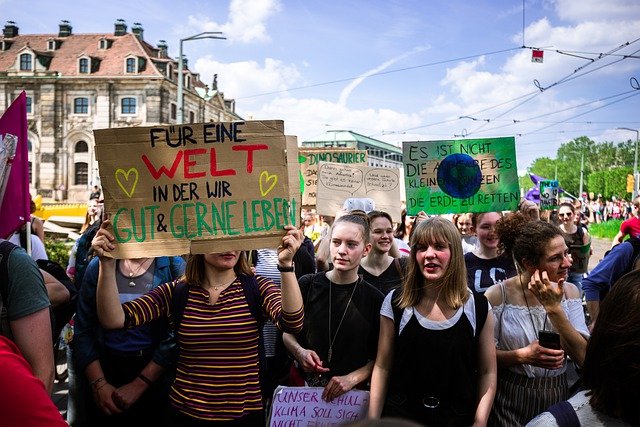
„In fact, every action is motivated by hope otherwise there is no sense in trying to make an impact. The commitment seen in activism indicates it truly being motivated by hope intrinsically.“

emily strickhausen

„Especially in recent years, the presence of activists has become more prominent through television and social media. The hope of being able to change something positively plays a major role here. For example, the friday for future protests have been launched especially by young people and are experiencing a great resonance all over the world. More and more people can identify with the belief that it is possible to shape the future better so that later generations will find a planet worth living on. Through this belief, there is the possibility of really being able to change something and thus to influence the policies of states. Without the belief to be able to make a difference nothing would ever change and who would want to live in such a world?“

florian mann

„Hope in activism is the belief that what mankind does about a certain cause might matter, regardless of the fact that the future is unpredictable, and that history may not turn as one wished or hoped for. It is the awareness that everyone, young or adult, can play an important role to get things done, to change those things that does not reflect someone’s political or social beliefs, way of think or live. It is gathering people around the world to march on the streets for the same cause. It is, sometimes, the use of strong actions in support or in opposition to one side of a controversial issue to achieve a common goal.“

stefanie monaco

„That hope might be to build a better world or to make friends. Hope is an intrinsic motivation. Studies suggest that intrinsic motivations make people take actions in more cases than extrinsic motivations.“

Björn Beckendorf

„It is necessary to take an effort to act. In addition, acting might contain risk. Activists see hope as a reason to take the risk and effort.“

Finn böker
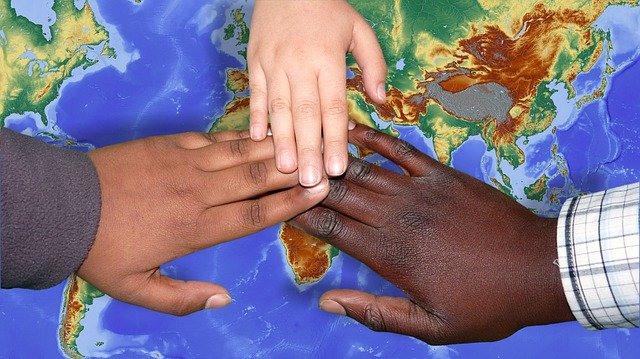
„Hope can even be seen as a motivation to get active. One of the currentlyworld wide known activists of our time is Greta Thunberg. She started the Friday for future movement and she strikes for many years for a better climate policy and even when she gets frustrated that politics are still doing so little. The hope to change something is still pushing her to be an activist.“

natalia hoffmann

„Hope in general is a powerful tool for survival and one that is not just an opposite to fear, nor is it something working against fear. Hope is a motivator that pulls people continuously further towards a goal and as for activism this is crucial to continue in a long-term sense, like in Jane Goodall’s case.“

lucas quehl

„Hope can be distinguished from the concepts of optimism and pessimism because one may understand it as a feeling that although humans do not know what will happen in the future, because the future is unpredictable, they are able to write it themselves by taking action. […] Therefore, activists can benefit from hoping that their actions make a difference, because otherwise, it would be easy to lapse into apathy and passivity and their intrinsic motivation might get lost. This supports the assumption, that activism can not exist without hope.“

hannah kettrup

„The arriving for opportunities to take actions into your own hands to improve the present or future is needed to be seen. A possibility to rise the chance of seeing opportunities and acting on them is hope. […] Futhermore, being hopefull will rather put the focus on positive thinking instead of negative thoughts, which supports to set the mind in the right direction for taking actions.“

sarah schiemann

Now it’s your turn!
Do you think hope is the motivation to be active? In which other areas of life do you think hope makes people do things?
Do you know any other initiatives in Paderborn? Would you recomend to be activ here? Write a coment and share your opinion with us!
You don’t know any project in Paderborn? Have a look in the box below!

Du interessierst dich für das Thema und würdest gerne weiterlesen?
- Sustainable activism: managing hope and despair in social movements
- You Don’t Have to Be Hopeful to Fight for a Better Future 

Hier findest du einige Initiativen und Projekte in Paderborn: 
- Oikos Paderborn 
- Campuswald
- Cluster Ressourceneffizienz 
- Paderborn for Future
Alltagstipps für Nachhaltigkeit auf Schwedisch

In diesem Beitrag berichtet eine Studierende, wie sie versucht, „umweltfreundlich“ zu leben und gibt Tipps, wie auch Du Nachhaltigkeit in deinen Alltag einbauen kannst. Der Beitrag entspricht dem angegebenen Sprachniveau und ist ein Originaltext aus dem Sprachkurs.

Hej alla!
Känner du igen dig? Du tänker att du vill göra något bra för miljön men du har ingen idé?
Idag berättar jag vad jag gör för miljön och jag ska ge dig tips för att leva ett miljövänligt liv som hjälper dig att röra på dig samtidigt!
Många av er vet det kanske redan: jag äter vegetarianskt. Det finns många utsläpp av köttproduktion som kan undvikas när man äter inget eller mindre kött. Dessutom finns det många andra grunder varför man borde bojkotta massuppfödning förutom utsläpp. Det är huvudsakligen etiska grunder som vi alla känner till så att jag ska inte förklarar dem men jag har skrivit en annan text om detta.
Det är viktigt för mig att inte bara äta djurvänligt utan även lokalt producerad och säsongsmässigt odlad mat. Jordgubbar växer inte på vintern och kiwier kommer inte från bonden härintill – självklart, eller hur? Några grönsaker och frukter som man kan köpa på ICA kommer från fjärran länder och – detsamma gäller många köttprodukter –det behövs transportmedel för detta som orsakar utsläpp.
Vi lever i teknisk förändring, vi har mobiler och dator och ofattbara massor av tekniska möjligheter som man kan använda i livet. Men de behöver elektricitet. Många människor vill inte använda alla dessa möjligheter så ofta…det är dåligt för kroppen, man rör inte på sig ofta och man har inte tid för andra aktiviteter. Jag försöker aktivt att använda mindre tekniska apparater för min hälsa och mitt liv. Men det är också bra för miljön! På så sätt behöver jag mindre elektricitet. 

Nu ska jag ge dig tips på hur DU också kan vårda dig och miljön:

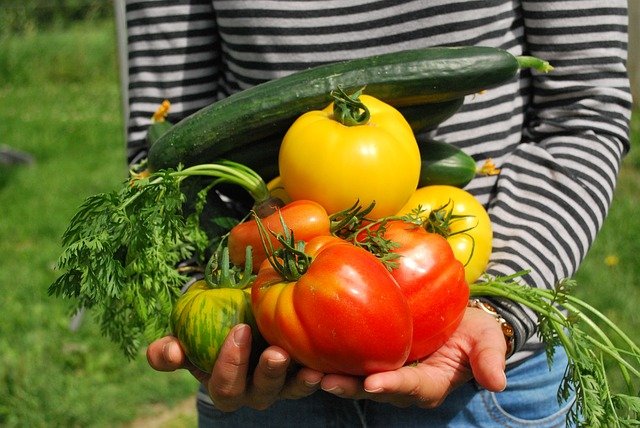
  • Odla en egen trädgård med frukter och grönsaker! Jag lovar det, du känner dig ganska bra när du är ute i trädgården och iakttar plantor när de växer. Du andas frisk luft, du rör på dig och du har dina egna livsmedel! De är naturligtvis lokala och säsongmässiga. Och du har en extra hobby! Bara fördelar! 
  • Jag förstår att du kanske inte är sugen på att investera tid eller du har inte plats för en trädgård så du söker idéer som är praktiska till vardags. En väldigt bra aktivitet är att alltid ta trappan när det är möjligt. Du motionerar och du undviker elektricitet som behövs för hissen eller rulltrappan. Det är ett tipps för alla men det är speciellt bra för personer som har inte mycket tid och som ofta är stressade! Glöm inte att sport och rörelse reducerar stress!
  • Mitt sista tips för idag är att äta mindre kött. Du behöver inte sluta helt med att äta kött men bara äta kött en gång i veckan till exempel hjälpa mycket. Om du är intresserad av hur köttindustri funkar så finns har jag en länk för mer information.

    Von: Judith Wolf, Svenska B1.1

Du interessierst dich für das Thema und würdest gerne weiterlesen?
- Massentierhaltung, Aktion Tier 
- Nachhaltige Ernährung
- Bewusst einkaufen, Unverpacktladen Paderborn  
- Regional einkaufen, Biolandhof in Paderborn  
 
Det är din tur!
Det var några saker som jag gör för mår bra själv och för att miljön ska må bra. Om du vill höra mer om hur jag lever ett miljövänligt liv så kan du skriva en kommentar!
(Hast du weitere Tipps für den Alltag, die wenig Aufwand erfordern? Teile sie hier in den Kommentaren.)

Salvar el planeta

In diesem Beitrag beantworten zwei Studentinnen einige Fragen zur Nachhaltigkeit. Der Beitrag entspricht dem Sprachniveau B1 und ist ein Original aus dem Sprachkurs.

¿Qué peligros concretos de los que has visto en el vídeo crees que amenazan también a tu país (Alemania, …)? ¿Hasta qué punto? ¿Y por qué?

¿Qué medidas se han adoptado en Alemania (…) en los últimos años para intentar cambiar el proceso de destrucción? Argumenta con ejemplos concretos y opina sobre las medidas adoptadas.

¿Y tú particularmente qué cosas concretas haces para salvar la Tierra? ¿Cómo podrías contribuir a no degradar más el medioambiente? ¿Qué te gustaría poder hacer pero no es posible en tu situación actual o no tienes suficiente voluntad?

¡Te toca a ti!
Compara estas dos opciones según sus consecuencias ecológicas, económicas y sociales: comprar productos ecológicos (con plástico) o comprar productos sin plástico (pero no ecológicos)
Escribe un comentario explicando lo que has encontrado sobre este tema. También puedes dejar un enlace.

Du willst weiterlesen?
Die Lebensmittelverschwendung ist eine strukturelle Schwierigkeit.
Mit Maßnahmen wie v.a. weniger Verschwendung und weniger Verzehr tierischer Produkte könnte die steigende Weltbevölkerung laut einer Studie von 2017 sogar in Bio-Qualität ernährt werden.
Hier geht es zu einem deutschen Artikel zum Thema: https://utopia.de/bio-welt-ernaehren-landwirtschaft-69984/

Nachhaltig leben in Paris

Dieser Text fasst ein Interview zusammen, das drei Französischlernende mit Glen geführt haben. Glen ist Franzose und lebt in Paris, wo er als Lehrer arbeitet. Der Beitrag entspricht dem angegebenen Sprachniveau und ist ein Originaltext aus dem Sprachkurs.

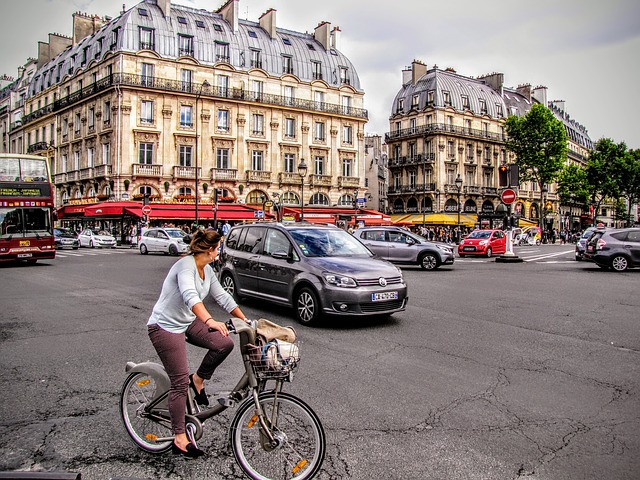
La durabilité au quotidien prend de plus en plus d’importance et dans notre cours de français nous nous sommes demandé quelles étaient les idées et mesures des Français en matière de durabilité dans la vie quotidienne? A travers divers entretiens avec des Français de notre connaissance, nous avons découvert que les Français faisaient aussi le tri des déchets et utilisaient les transports en commun. Glen, par exemple, vit à Paris. Il n’a pas de voiture et préfère aller à pied ou il prend les transports publics. À Paris il y a différentes poubelles pour séparer le plastique, le papier et le verre. En plus du recyclage, il est également important d’éviter le plastique dans la vie quotidienne. Glen boit de l’eau du robinet et utilise des bouteilles en verre pour éviter les bouteilles en plastique. Dans le supermarché il fait attention à acheter des produits locaux et évite d’acheter des produits exotiques comme les kiwis.

Dans mon quotidien, je me passe aussi de produits non locaux comme les avocats, qui sont critiqués pour leur forte consommation d’eau. Heureusement ma famille a un potager à la maison pour pouvoir récolter les légumes frais du potager en été, ce qui est aussi très pratique. Sur le chemin au travail, je fais aussi du covoiturage, car il n’est pas possible d’utiliser les transports en commun. Le peu de choses que Glen ou moi prenons en compte dans notre vie quotidienne montrent qu’il est important d’échanger des idées sur la durabilité au quotidien.

Nous sommes tous concernés par le changement climatique et c’est notre pouvoir de faire des changements, en Allemagne, en France et partout dans le monde.

Theresia Bröckling (Französisch B2.2, SS 21)

Warum dieser Blog?

Das ZfS bietet Sprachkurse in fast 20 Sprachen an. Und in allen Kursen geht es früher oder später um das Thema Nachhaltigkeit, da es alle Menschen auf der Welt betrifft. Dazu haben die Vereinten Nationen 2015 mit der Agenda 2030 gemeinsam 17 Nachhaltigkeitsziele entwickelt (Sustainable Development Goals, SDGs). Diesen Zielen möchten auch wir – nicht nur als Teil einer Hochschule – insbesondere als Anbieter von fächerübergreifendem, interkulturellem Sprachkursen nachkommen [1].

Wir möchten die Studierenden in die Lage versetzen, auch in ihren Zielsprachen über Themen wie erneuerbare Energien, ressourcenschonende Mobilität, (pflanzliche) Ernährung, nachhaltiges Wohnen, Erhalt biologischer Vielfalt, Gleichheit/Gerechtigkeit z.B. in den Bereichen Bildung oder Gesundheit, Konsum usw. zu diskutieren, ihre Meinung auszudrücken und unsere Welt mitzugestalten – lokal wie global:

Was können/sollten einzelne Menschen tun? Wo stoßen wir als Individuum an unsere Grenzen, da wir in bestimmten Strukturen leben & handeln? Daher noch wichtiger: Was tut z.B. die Hochschule, die Stadt oder das Land für eine lebenswerte Zukunft der Menschen? Welche Initiativen gibt es, in denen wir uns aktiv einsetzen können und für was?

Außerdem sollen die Kursteilnehmenden mehr darüber erfahren, wie Institutionen oder Städte diese Themen in den verschiedenen Ländern behandeln.

Als Individuen können wir unseren CO2-Fußabdruck nur begrenzt reduzieren. Wer darüber hinaus gehen möchte (und das ist notwendig für den Erhalt unserer Lebensgrundlagen), kann hier spielerisch die Idee des „Handabdrucks“ kennenlernen.

In diesem Blog veröffentlichen wir gelungene Texte, Audioaufnahmen, Podcasts, PPP, Videos u.ä. unserer Sprachenlerner*innen, die auch über die Kurse hinaus zur Diskussion anregen sollen.

Uns liegt das Thema sehr am Herzen. Ihnen/Euch vielleicht auch? Kommentieren Sie/kommentiert gerne, wir freuen uns über Anregungen & Dialog!


[1] vgl. auch Bildung für nachhaltige Entwicklung an Hochschulen sowie Müller 2022 Kap. 4